
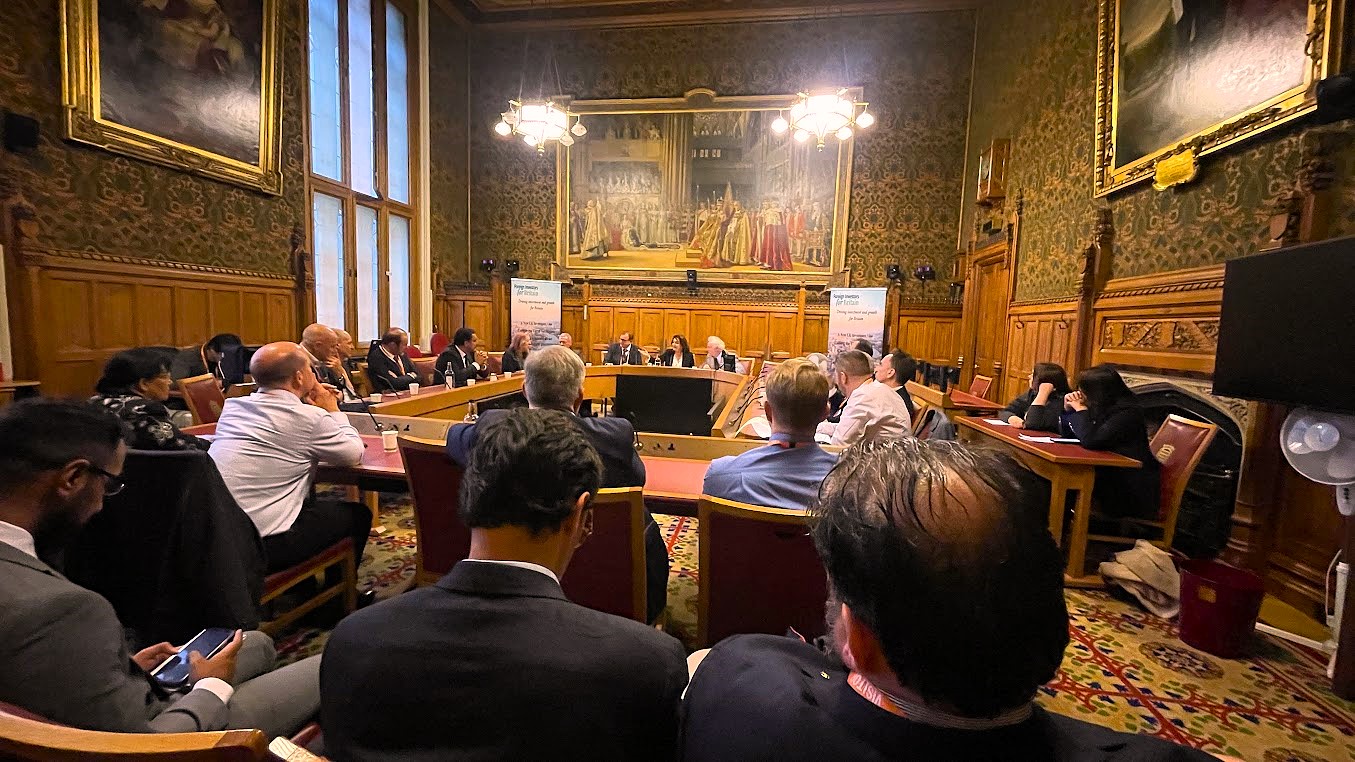
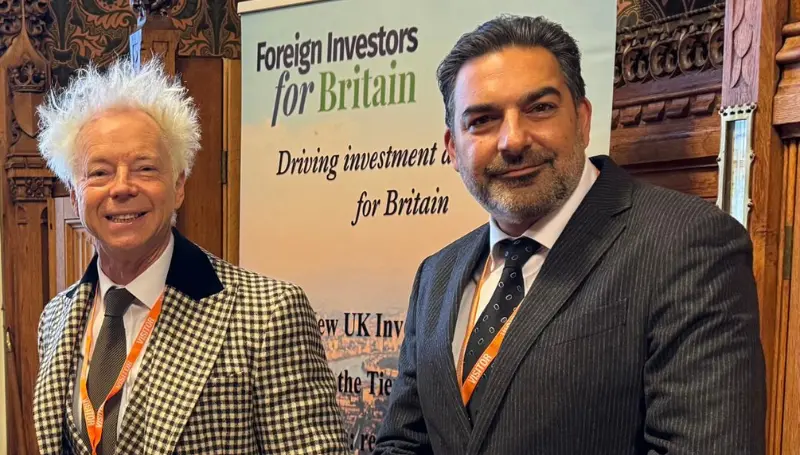
A House of Lords evening reception sponsored by Conservative peer Baroness Mobarik on behalf of Foreign Investors for Britain brought together cross-party politicians, peers, and senior business figures to challenge the government regarding its proposed non-dom tax reforms.
Event Highlights
- Host & Sponsor: Sponsored by Baroness Mobarik for Foreign Investors for Britain.
- Key Attendees: Included cross-party MPs, peers, and prominent business leaders such as Sir Martin Sorrell.
- Core Topic: International investors used the platform to critique and lobby against changes to the non-domiciled tax regime.
- Notable Absence: Government advisers and officials largely did not attend despite invitations.
‘Don’t Tell Me You Love Me, Show Me’: Investors Challenge Government on Non-Dom Reform
By Tom Bill at Knight Frank
A House of Lords event last week underlined growing disquiet over the government’s non-dom tax reforms. But any new direction on policy may have to wait until the autumn.
A House of Lords reception last Monday provided the government with a perfect opportunity to read the room on its non-dom reforms.
But it’s hard to read the room when you’re not in it.
Sponsored by Conservative peer Baroness Mobarik on behalf of Foreign Investors for Britain, the evening event drew cross-party MPs and peers, alongside senior business leaders including Sir Martin Sorrell. Regrettably, despite having been invited, government advisers and officials were largely absent.
“Before the election, the government said it wanted to partner with the private sector,” he told Knight Frank. “Well, to paraphrase Eliza Doolittle, don’t tell me you love me, show me.”
Had they attended, they would have heard two key messages:
1. The new rules need tweaking.
2. A flat-tax, similar to the one used in Italy, could ease pressure on government finances while attracting overseas investment.
Under the previous regime, non-doms could live in this country without paying UK tax on their overseas wealth. The new rules impose a residence-based framework with a four-year time limit and a proposal to charge inheritance tax (IHT) on global assets.
As a result, wealthy investors have already begun to leave the UK, depriving the government of capital gains tax revenue. There is also evidence that a number of UK company directors are moving abroad and Knight Frank recently calculated the government has lost more than £400 million in stamp duty revenue due to subdued activity in high-value property markets.
Real-World Consequences
It’s hard to imagine the government planned this, and the non-dom changes were actually set in motion by the previous Conservative administration, but such real-world consequences are difficult to ignore.
“Migration is assumed to be a significant behavioural response for non-domiciled taxpayers,” the Office for Budget Responsibility (OBR) said in a report this month that set out its assumptions for the UK economy. It was a marked shift in tone from the more circumspect language used in previous reports.
Ignoring what the room is saying will become increasingly difficult for the government, especially when its financial headroom is so tight, as we have previously explored. It may explain recent media stories alluding to a possible re-think around IHT.
James Quarmby, a partner in the private wealth team at law firm Stephenson Harwood, believes the government may tweak the IHT rules to make them more generous. The balancing act, he says, is to encourage inward investment while not doing “anything that will look like tax cuts for millionaires.”
Proposals for a Wealth Tax face similar real-world hurdles. Although, reports suggest the government appreciates such a tax would also trigger a “behavioural response”, to use the OBR’s euphemism.